


Bag one
Roasted in Austin, TX
Small batch, big deal.
Small enough to taste every roast. Big enough to be a little smug about it.
Shop the lineup
Follow @unlisted.coffeeTag us in your pourShop the lineupRoasted to orderSmall-batch in Austin, TXWe cup ten, buy one
Currently roasting
Shop all →


How the lineup works
Most of what we taste doesn't make it.
We cup about ten lots for every one we buy, so what's on the shelf is what survived. New here? Our brew guides walk you through it.
Private bookings
We'll bring the bar.
Birthdays, office mornings, weddings, markets. We roll in with the cart, pull the shots, and clean up after — with the same coffee we roast for the shelf.
Tell us the date and headcount and you'll see a ballpark on the spot — no form to submit and wait on.
Get a ballpark
The craft
A roast, stage by stage.
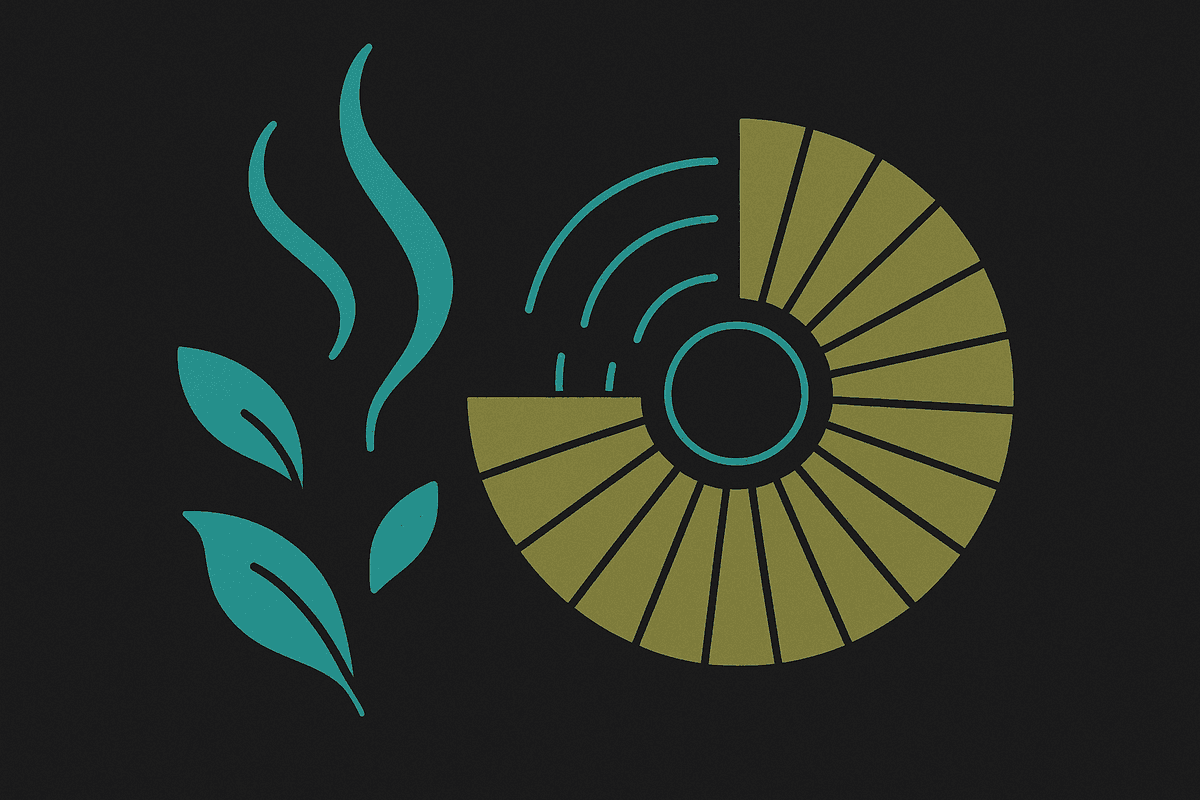
Our logo is a roast curve — bean temperature over time. Here's what actually happens in the ~10–12 minutes from green bean to coffee, and how the bean changes color along the way.
Charge
0:00 · ~200 °C drumRoom-temperature beans hit the hot drum. The probe reads high, then dives as everything equalizes. The clock starts here.
Turning point
~1:15 · ~90 °CThe lowest point — beans and drum reach the same temperature, then start climbing together. A consistent turning point means a repeatable roast.
Drying & Maillard
~5:00 · 150–170 °CMoisture bakes off, then the Maillard reaction takes over — amino acids and sugars browning into hundreds of aromatic compounds. This long climb is where most of the flavor is built.
First crack
~9:00 · 196–205 °CThe beans audibly crack as steam escapes. This is the gateway: green beans become coffee. Stop just after for bright and light; carry on for bold and dark. It's the moment the craft actually lives in — so it's where we put the bean.
Development
drop ~11:00 · 205–210 °CThe short stretch after first crack where acidity rounds into sweetness. Too short tastes grassy; too long flattens out. Then you drop the batch — a full filter roast runs about 10–12 minutes.
Charge
From the Lab
Coffee, learned out loud.
Origin, processing, roasting, brewing, sensory — what we're reading, testing, and learning.

Processing
The Sticky Middle: How Honey Process Rewrites a Bean
Between washed and natural lies a third approach — honey process, where the cherry is depulped but the mucilage layer is left on during drying. That gelatinous coating, running 15–22 Brix in sugar concentration, becomes a fermentation substrate. The amount retained determines the outcome: white honey stays close to washed; black honey pushes toward natural. Here's the chemistry driving the difference.
Sep 15, 20265 min
Brewing
Your Grinder Is Cooking Your Coffee
The smell rising from your grinder isn't ambient — it's the cup evaporating before you've brewed it. Burr friction heats coffee grounds to 40–80°C depending on usage, and volatile aroma compounds start degrading around 40°C. A 2016 Nature study found that frozen beans grind more consistently and retain significantly more aroma. Here's the physics behind grind temperature and what to do about it.
Sep 8, 20264 min

Sensory
Your Milk Is Rewriting the Cup
Adding milk to coffee isn't dilution — it's a chemical intervention. Casein proteins intercept bitter phenolic compounds. Milk fat absorbs fat-soluble volatiles, shifting the aroma profile. Milk's pH buffers coffee's acidity from the inside. And foam stability depends on a 5-degree temperature window in which whey proteins partially denature without collapsing. Here's what's actually happening when you pour.
Sep 1, 20266 min
Follow along
Fresh off the roaster.
Drops, brews, and behind-the-bench moments — tag us in your pour.


Flavor and origin marks by OpenMoji, licensed under CC BY-SA 4.0.